Navigating the Complex World of Ethical Non-Monogamy: A Wedding Dilemma
In today's ever-evolving landscape of relationships, ethical non-monogamy is gaining recognition and acceptance, yet it still presents unique challenges, especially when it intersects with more traditional settings such as weddings.
Imagine being asked to be the maid of honor at your best friend's wedding, an event that promises to be a joyous celebration of love and commitment. But what if your own relationship dynamics — specifically, your involvement in a polyamorous relationship — clash with the traditional norms of the event? This scenario recently unfolded for a woman whose story has sparked discussions about acceptance and understanding in non-monogamous relationships.
The Heart of the Matter
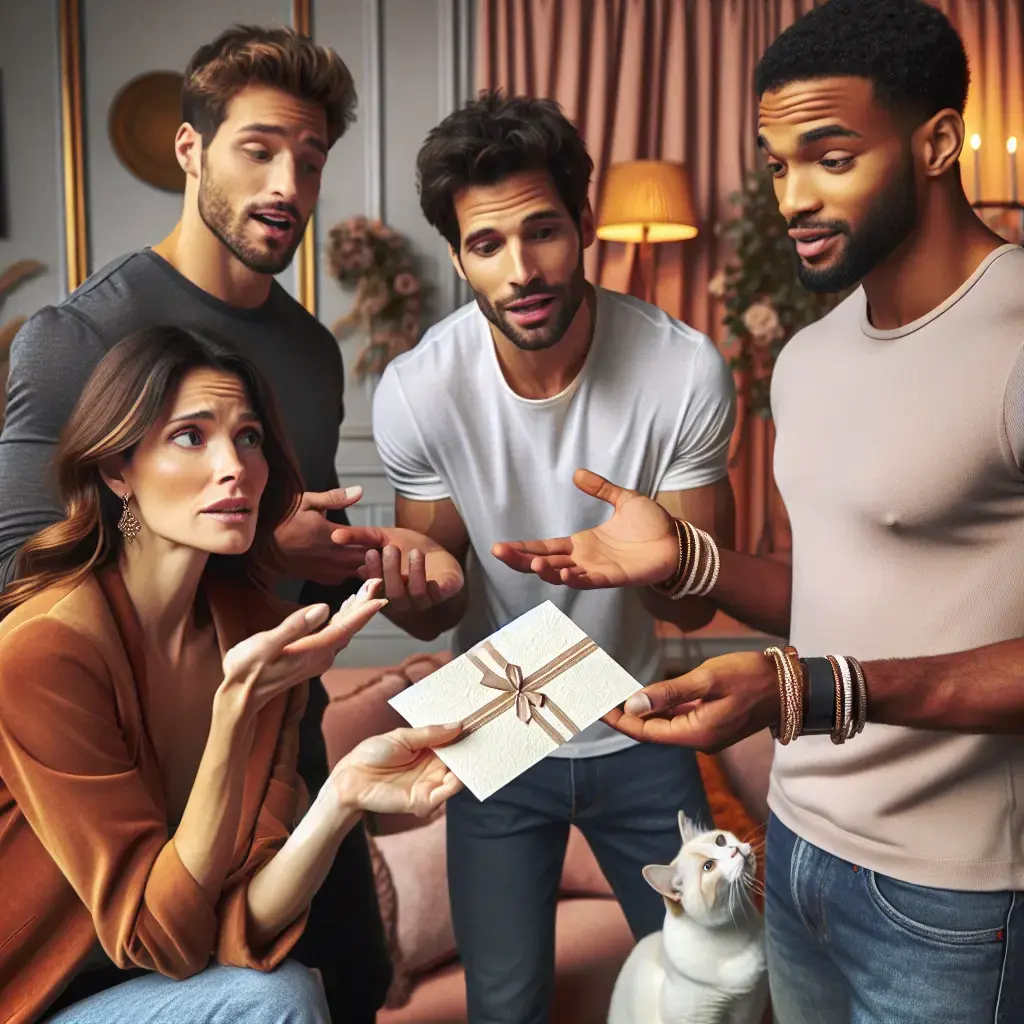
In this case, the maid of honor faced a difficult decision. She was told she could not bring her three partners to the wedding, primarily due to the conservative views of other guests and the bride’s family. This situation highlights a fundamental tension: the desire for inclusion and recognition of one's relationship style versus the constraints imposed by societal norms.
Here are some key points to consider when navigating similar situations:
- Communication is Key: Open and honest discussions about expectations and limitations can help bridge gaps between differing viewpoints.
- Respect Boundaries: It's important to respect the wishes of those hosting an event, even if it means compromising on personal desires.
- Seek Understanding: Educate others about ethical non-monogamy to foster a more inclusive environment for all relationship types.
- Balance and Compromise: Find common ground that allows for participation without overshadowing the primary purpose of the event.
Understanding Ethical Non-Monogamy
Ethical non-monogamy encompasses various relationship styles, including polyamory, open relationships, and more. At its core, it emphasizes consent, honesty, and mutual respect among all involved parties. Those who practice ethical non-monogamy often seek deeper connections beyond the constraints of monogamous relationships.
Despite growing visibility, ethical non-monogamy can still be misunderstood. The aforementioned wedding scenario is a reminder of the challenges that polyamorous individuals may encounter in social settings.
Bridging the Gap
To cultivate acceptance and understanding, it's crucial to engage in conversations that demystify ethical non-monogamy. This involves breaking down stereotypes, sharing personal experiences, and promoting empathy among those who may be unfamiliar with such lifestyles.
By acknowledging the validity of diverse relationship structures, we can move towards a more inclusive society that celebrates all forms of love.
As we reflect on this story (for more details, see the full article), it's important to remember that love can take many forms. Embracing this diversity enriches our communities and opens new possibilities for connection and understanding.
In conclusion, navigating ethical non-monogamy within traditional settings requires patience, empathy, and a willingness to educate and engage with others. By fostering open dialogue, we can create a world where all forms of love are recognized and celebrated.
May your journey through love — in whatever form it takes — be filled with understanding, joy, and mutual respect.
Warmly, Hannah Preston